Introduction
In today’s fast-changing world, managing money effectively has become more important than ever. Financial planning tips help individuals create a strong financial foundation, manage expenses, increase savings, and achieve future goals. Whether you are a student, professional, or business owner, proper financial planning can help you make better decisions about your money.
A good financial plan is not only about saving money but also about investing wisely, reducing financial risks, and preparing for future needs.
What is Financial Planning?
Financial planning is the process of managing your income, expenses, savings, and investments to achieve your financial goals. It helps you understand where your money is going and how you can use it more effectively.
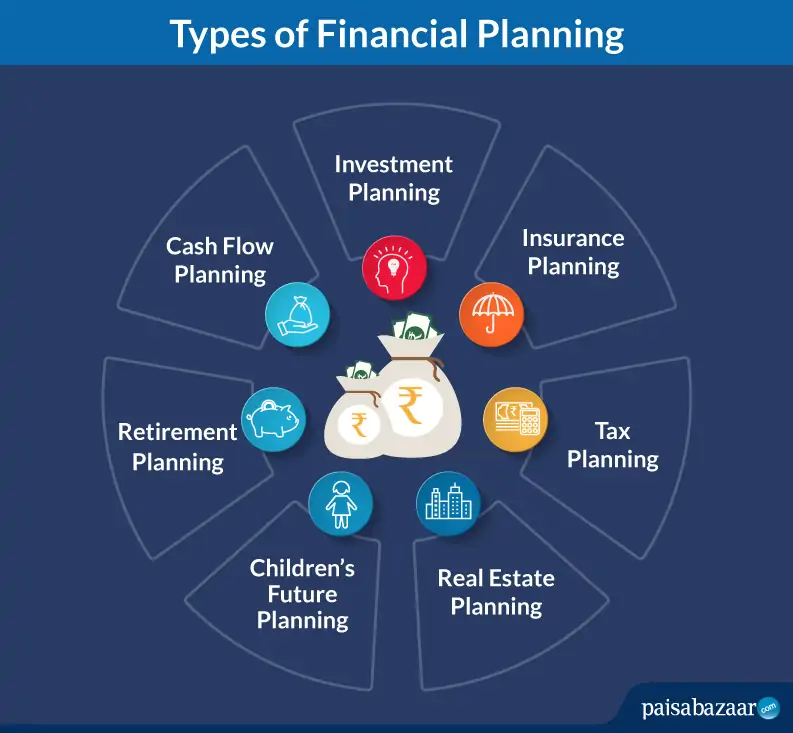
A well-designed financial plan includes:
- Budget management
- Emergency savings
- Investment planning
- Debt management
- Retirement planning
- Insurance protection
Importance of Financial Planning in Daily Life
1. Helps You Manage Your Money Better
Financial planning allows you to track your income and expenses. By creating a proper budget, you can avoid unnecessary spending and focus on important financial priorities.
2. Builds Emergency Financial Security
Unexpected expenses like medical emergencies, job loss, or urgent repairs can affect your financial stability. Having an emergency fund helps you handle such situations without taking unnecessary loans.
3. Helps in Achieving Financial Goals
Whether your goal is buying a home, starting a business, or planning retirement, financial planning helps you create a clear roadmap to achieve your dreams.

Best Financial Planning Tips for Beginners
Create a Monthly Budget
The first step toward better money management is creating a monthly budget. Divide your income into different categories such as:
- Essential expenses
- Savings
- Investments
- Personal spending
A proper budget helps you control your expenses and increase savings.
Start Saving Early
Saving money at an early age gives you more opportunities to grow your wealth. Even small savings can become significant over time with consistent efforts.
Develop a habit of saving a fixed amount every month to build financial discipline.
Invest Your Money Wisely
Keeping money only in a savings account may not help you achieve long-term financial growth. Smart investments can help your money grow over time.
Some popular investment options include:
- Mutual Funds
- Stocks
- Fixed Deposits
- Real Estate
- Retirement Plans
Always research and understand the risks before investing.
Importance of Creating an Emergency Fund
An emergency fund acts as a financial safety net during difficult situations. Experts generally recommend keeping enough savings to cover several months of essential expenses.
Benefits of an emergency fund:
- Reduces financial stress
- Avoids unnecessary debt
- Provides financial confidence
- Helps during unexpected situations
How to Reduce Financial Stress
Financial stress often happens due to poor money management. Following these steps can help:
Track Your Expenses
Knowing where your money goes helps you identify unnecessary spending habits.
Avoid Unnecessary Debt
Use credit carefully and avoid taking loans for things that are not essential.
Increase Your Income Sources
Developing new skills or creating additional income streams can improve your financial stability.

Role of Investment in Financial Growth
Investment plays an important role in building long-term wealth. Instead of only saving money, investing allows your money to generate returns.
Long-term investment benefits include:
- Wealth creation
- Protection against inflation
- Financial independence
- Better future planning
Common Financial Mistakes to Avoid
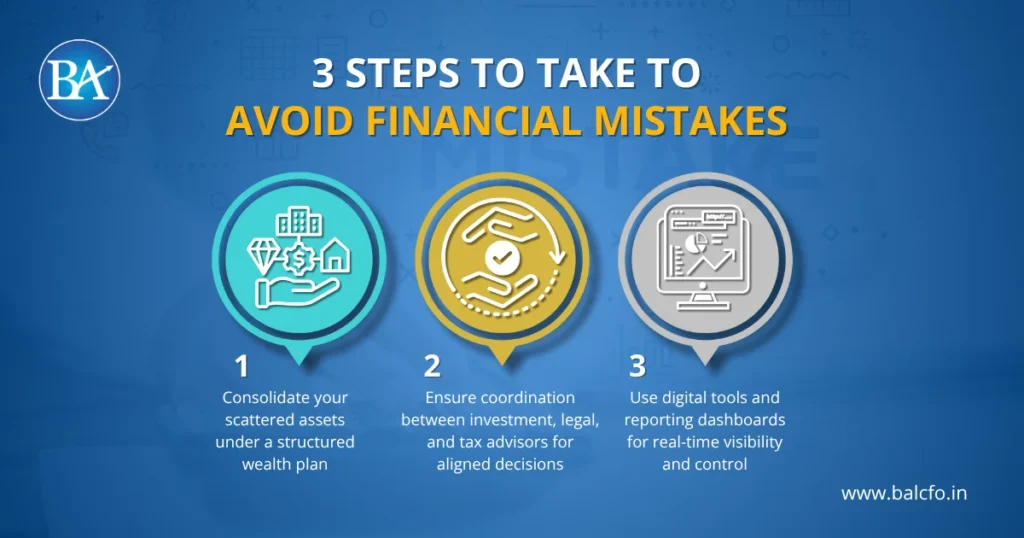
Many people make financial mistakes that affect their future. Some common mistakes include:
- Not creating a budget
- Ignoring savings
- Investing without research
- Taking unnecessary loans
- Not planning for retirement
Avoiding these mistakes can improve your overall financial health.
Conclusion
Effective financial planning tips can help you take control of your money and build a secure future. By creating a budget, saving regularly, investing wisely, and managing expenses properly, you can achieve your financial goals.
Remember, financial success does not happen overnight. It requires discipline, patience, and consistent planning.